


For entrepreneurs who want to create their own cosmetics brand contract manufacturing service It offers a highly attractive avenue. This model offers advantages in terms of both time and cost, especially for those who lack a production infrastructure but want to quickly bring their brand to market. However, a successful contract manufacturing process isn't limited to the product that rolls off the production line. Working with the right manufacturer requires considering many factors, including transparency and quality standards.
In this article, we will discuss in detail the questions that should be asked before working with a contract manufacturer, the importance of transparency in R&D and sampling processes, and how quality certificates create an element of trust in production.
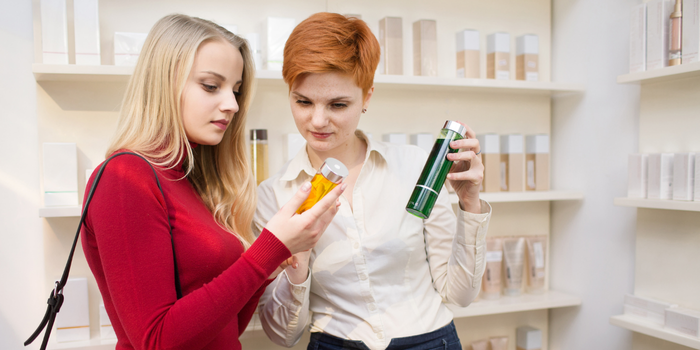
5 Critical Questions to Ask Before Working with a Contract Manufacturer
Before signing a contract with a manufacturer, focusing solely on superficial information like price or minimum order quantity (MOQ) can lead to serious mistakes. Instead, it's important to clarify some key points for a long-term, sustainable partnership.
1. Do you offer R&D services?
Not every manufacturer offers R&D support. If you want to develop a custom formula, the manufacturer must have a laboratory infrastructure and expert chemists. You should also be able to request detailed information about existing formulas.
2. How does the sampling process proceed?
Details such as how samples submitted for testing before initial production will be prepared, whether they will be revised, and how many samples you are entitled to are critical to ensuring a smooth process. A transparent sampling process saves time and clarifies your expectations.
3. What are the MOQ limits?
Companies that can produce small quantities are preferred, especially for new ventures. Flexible order acceptance of 500–1000 units gives you the opportunity to test products in the market.
4. How long does the average production time take?
To plan your timeline, the total production time, including the sample process, and the shipping date should be clearly discussed. Otherwise, your launch dates may be delayed.
5. Do you provide packaging support?
While some manufacturers offer only filling and labeling services, others offer a wide range of services, from packaging supply to design support. Knowing what's included upfront will help you avoid unnecessary costs and wasted time.
In other words, you should choose not only a company that will produce the product, but also a reliable business partner with whom you will manage the process.
Why is Transparency Important in R&D, Sampling and Testing Processes?
For a cosmetic product to be successful, it's not enough for its ingredients to be effective alone. It also needs to be stable, safe, sustainable, and compliant with regulations. Therefore, transparency in R&D and testing processes is one of the most important indicators of a manufacturer's professionalism.
1. Brand-specific product development with R&D support:
If you require ingredients other than ready-made formulas, the R&D department must develop these customized ingredient combinations based on scientific principles. They should guide you on technical matters such as active ingredient recommendations, pH balance, emulsion structure, and carrier systems.
2. The sampling process strengthens collaboration:
The sampling phase is the most crucial time to establish proper communication between you and the manufacturer. All product specifications, including consistency, odor, color, and absorption time, are clarified here. Working with manufacturers who clearly address revision requests and document each stage of the process helps prevent future disputes.
3. Test reports document product safety:
Every product applied to the skin must undergo microbiological and stability testing. Furthermore, dermatological testing creates confidence in both domestic and export markets.
Furthermore, transparency is not only a technical responsibility but also an ethical one. Providing full information about the manufacturer's ingredients and testing process helps your brand project a transparent and trustworthy image.

The Importance of Quality Certificates, GMP and ISO Standards
One of the most frequently overlooked yet critical aspects of contract manufacturing is quality certification. A manufacturer's certifications directly impact not only production quality but also legal compliance, export potential, and brand prestige.
1. GMP (Good Manufacturing Practices) certificate:
GMP encompasses many criteria in cosmetics production, including hygiene, production area layout, personnel competence, and traceability. Working with a GMP-certified manufacturer ensures your product remains free from regulatory issues.
2. ISO 22716 and ISO 9001 standards:
ISO 22716 is a guideline developed specifically for the cosmetics industry and demonstrates a manufacturer's competence in quality management. ISO 9001, on the other hand, demonstrates the existence of a general quality management system. These documents are especially essential for brands planning to sell internationally.
3. Vegan, cruelty-free, halal certifications:
As consumers' ethical sensitivities increase, your manufacturer's ethical certifications add value to your brand. If your products are vegan or cruelty-free, this must be supported by manufacturer documentation.
Therefore, when choosing a manufacturer, it's crucial to consider not only price but also quality, certification, and legal compliance. Certifications play a significant role not only on paper but also in your brand's reputation and perceived trust.
Contract manufacturing is a fast, cost-effective, and professional way to build a brand in the cosmetics industry. However, choosing a manufacturer is crucial for this process to proceed effectively and sustainably. Transparency in the production process, R&D support, testing reliability, and quality certifications are the cornerstones of your brand's long-term success.
Therefore, before contract cosmetics production, you should ask the right questions not only about the product but also about the process, infrastructure and ethical compliance, and choose business partners who will add value to your brand.